
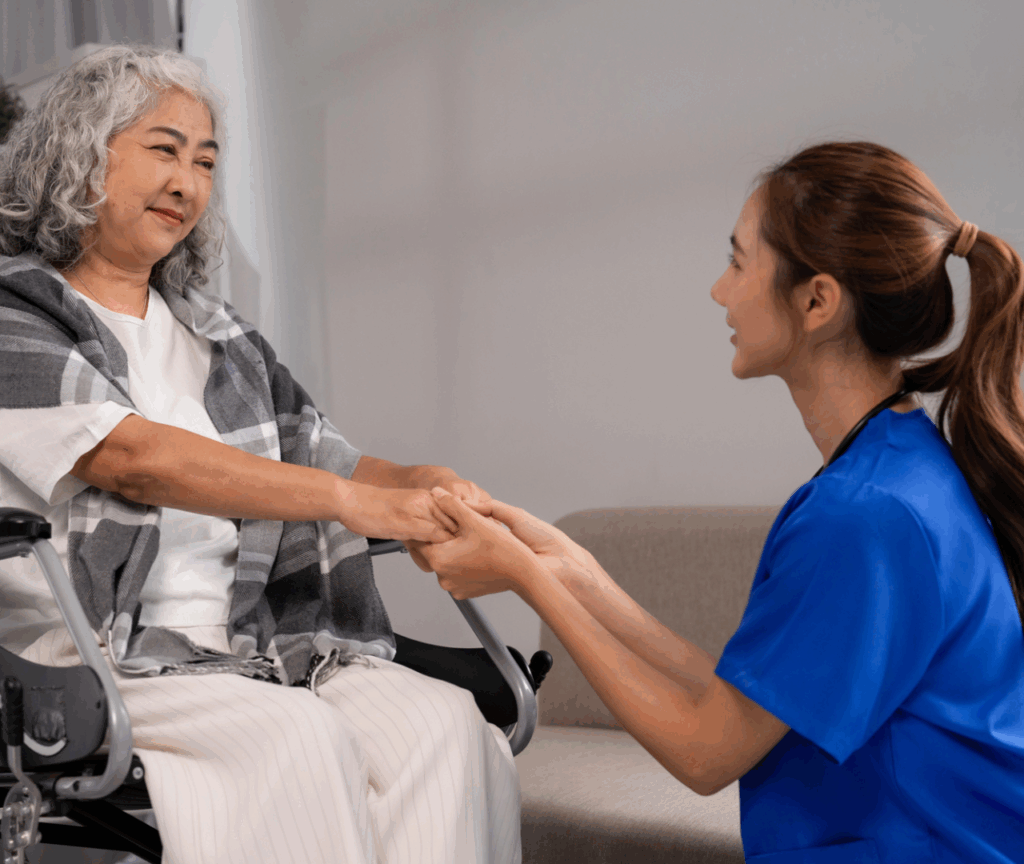
Infection prevention is one of the most important elements of any elder home care plan. As people age, their immune systems naturally become weaker. This makes older adults more vulnerable to infections that younger individuals might easily fight off. Even minor illnesses can quickly become serious health concerns for seniors. Including infection prevention in a home care plan helps protect their health, maintain independence, and improve overall quality of life.
Why Infection Prevention Is So Important for Seniors
Aging affects the body in many ways. The immune system becomes less efficient, chronic conditions become more common, and recovery times increase. Diseases such as diabetes, heart disease, and chronic respiratory issues can further weaken the body’s ability to fight infections. For example, respiratory infections like pneumonia and influenza are especially dangerous for seniors. According to health authorities such as the World Health Organization and the Centers for Disease Control and Prevention, older adults face a higher risk of hospitalization and complications from infectious diseases.
Infections can also lead to secondary problems. A urinary tract infection may cause confusion or falls. A simple wound infection can lead to hospitalization. When infection prevention is built into a home care plan, caregivers can identify risks early and take proactive steps to reduce exposure.
Another key reason infection prevention matters is hospital avoidance. Hospital stays can expose seniors to additional infections, including antibiotic resistant bacteria. By preventing infections at home, seniors are less likely to require emergency care or extended hospital stays.
Common Infection Risks in Home Care Settings
Although the home feels safe, infection risks still exist. Some common sources include:
- Poor hand hygiene
- Contaminated surfaces
- Improper food handling
- Inadequate wound care
- Shared medical equipment
- Visitors who are sick
Seniors who use catheters, feeding tubes, or oxygen equipment face additional risks if these devices are not cleaned properly. Caregivers must understand these potential dangers and include clear prevention steps in the care plan.
Key Infection Prevention Strategies for Elder Home Care
An effective infection prevention plan focuses on daily habits, environmental cleanliness, and preventive healthcare.
1. Proper Hand Hygiene
Handwashing is the first and most powerful defense against infection. Caregivers and seniors should wash hands with soap and water for at least twenty seconds before meals, after using the bathroom, after handling waste, and after returning home from outside activities. Alcohol based hand sanitizers can be used when soap and water are not available.
2. Regular Cleaning and Disinfection
Frequently touched surfaces such as door handles, light switches, remote controls, and bathroom fixtures should be cleaned daily. Medical equipment should be disinfected according to manufacturer guidelines. Clean bedding and clothing regularly, especially if the senior is recovering from illness.
3. Vaccinations
Vaccinations play a critical role in protecting seniors from serious infections. Annual flu shots and pneumonia vaccines are commonly recommended. Staying current on vaccinations reduces the risk of severe illness and hospitalization.
4. Safe Food Practices
Older adults are more susceptible to foodborne illnesses. Caregivers should ensure food is stored at safe temperatures, cooked thoroughly, and not consumed past expiration dates. Raw and cooked foods should be handled separately to prevent cross contamination.
5. Monitoring Health Changes
Early detection is essential. Caregivers should watch for signs such as fever, cough, confusion, fatigue, redness around wounds, or changes in appetite. Seniors may not always show typical symptoms, so even small changes should be taken seriously.
6. Visitor Guidelines
Family and friends are important for emotional health, but visitors who are sick should postpone visits. Encouraging handwashing upon arrival adds another layer of protection.
How Seniors Can Stay Safe at Home
Infection prevention is not only the responsibility of caregivers. Seniors themselves can take steps to stay safe.
They should maintain good personal hygiene, including regular bathing and oral care. Staying hydrated and eating a balanced diet helps strengthen the immune system. Light physical activity, as approved by a healthcare provider, supports circulation and overall wellness.
Seniors should also keep personal items such as towels, toothbrushes, and grooming tools separate from others. If they use mobility aids like walkers or wheelchairs, these should be cleaned regularly.
Managing chronic conditions is another important safety step. Keeping blood sugar under control, following medication schedules, and attending routine medical appointments reduce vulnerability to infection.
Finally, seniors should feel comfortable communicating with caregivers about how they feel. Reporting symptoms early allows for prompt treatment and prevents complications.
The Role of Professional Home Care Providers
Professional caregivers receive training in infection control practices. They understand how to use gloves properly, dispose of medical waste safely, and follow hygiene protocols. Including infection prevention guidelines in a formal home care plan ensures that all caregivers follow consistent standards.
Clear documentation also helps families understand the preventive steps being taken. It builds confidence that their loved one is protected and receiving high quality care.
Conclusion
Infection prevention is not optional in elder home care. It is a vital component that protects health, reduces hospital visits, and enhances overall well being. Seniors face higher risks due to aging immune systems and chronic health conditions. By incorporating proper hygiene, environmental cleaning, vaccination, safe food handling, and early symptom monitoring into home care plans, families and caregivers create a safer living environment.When infection prevention becomes part of daily routine, seniors can continue living at home with greater comfort, safety, and peace of mind.
Legal Disclaimer: This post is strictly for educational use and should not be construed as professional advice (medical, legal, financial, or otherwise).